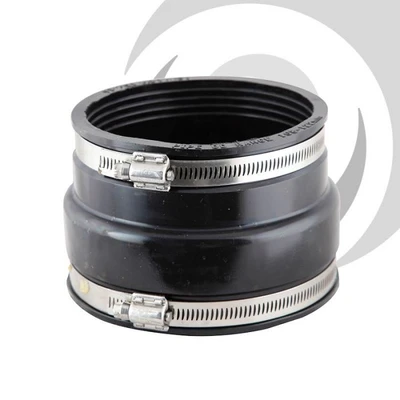
VFFAC4000
4" Clay/Plastic, 121-137mm - 110-122mm Flexible Adaptor Coupling
RRP £11.51
£ 9 . 78
Excl. VAT
RRP £13.81
£ 11 . 74
Inc. VAT
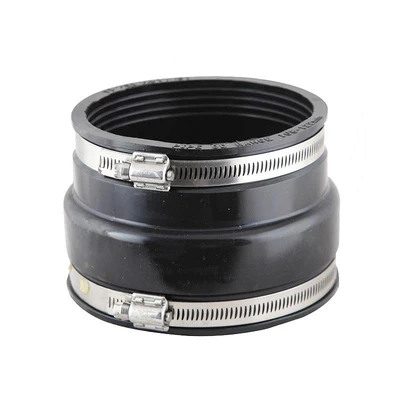
VFFAC6000
6" Clay/Plastic, 180-200mm - 160-180mm Flexible Adaptor Coupling
RRP £28.70
£ 24 . 39
Excl. VAT
RRP £34.44
£ 29 . 27
Inc. VAT
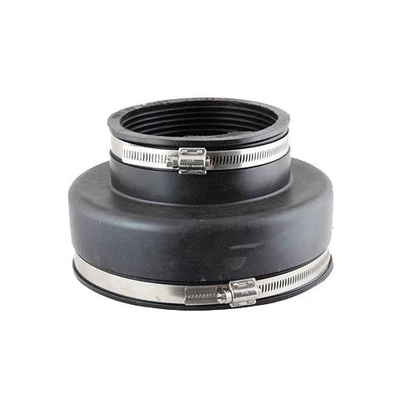
VFFAC1922
6" Clay/110mm Plastic, 170-192mm - 110-122mm Flexible Adaptor Coupling
RRP £40.54
£ 34 . 46
Excl. VAT
RRP £48.65
£ 41 . 35
Inc. VAT
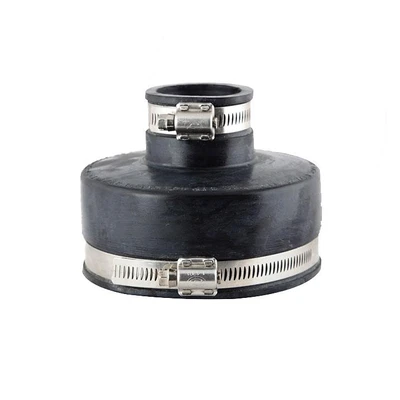
VFFAC1201
105-120mm / 35-45mm Flexible Adaptor Coupling
RRP £48.94
£ 41 . 60
Excl. VAT
RRP £58.73
£ 49 . 92
Inc. VAT
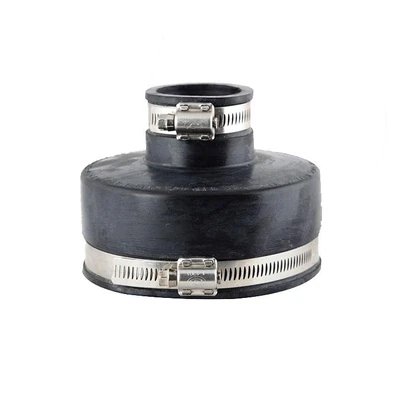
VFFAC1002
100-115mm / 50-64mm Flexible Adaptor Coupling
RRP £33.89
£ 28 . 81
Excl. VAT
RRP £40.67
£ 34 . 57
Inc. VAT
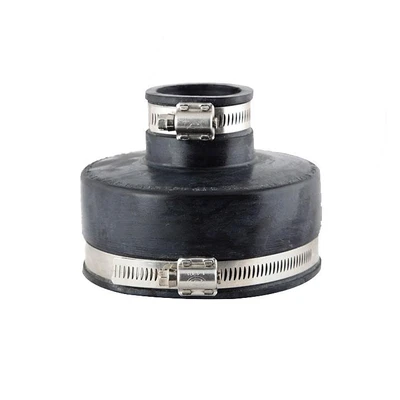
VFFAC1226
110-122mm / 68-60mm Flexible Adaptor Coupling
RRP £40.88
£ 34 . 75
Excl. VAT
RRP £49.06
£ 41 . 70
Inc. VAT
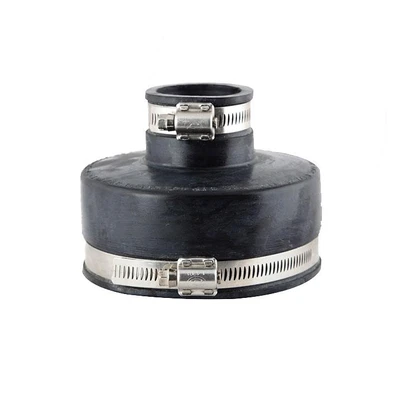
VFFAC1003
100-115mm / 75-90mm Flexible Adaptor Coupling VAC1003
RRP £35.75
£ 30 . 39
Excl. VAT
RRP £42.90
£ 36 . 47
Inc. VAT
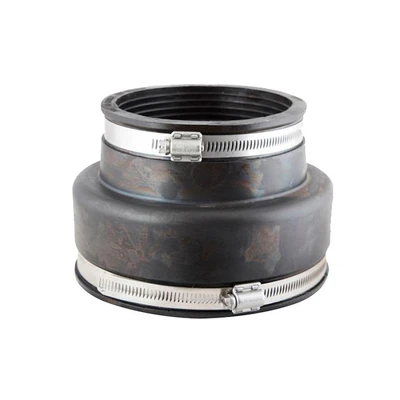
VFFAC1221
110-122mm / 80-95mm Flexible Adaptor Coupling
RRP £33.55
£ 28 . 52
Excl. VAT
RRP £40.26
£ 34 . 22
Inc. VAT
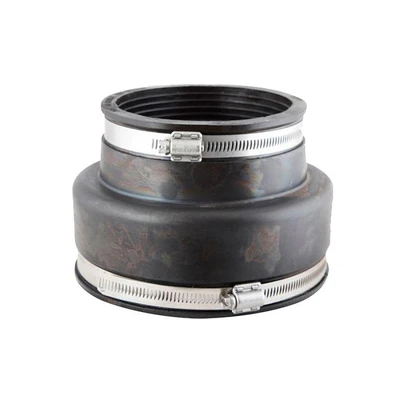
VFFAC1361
121-136mm / 80-95mm Flexible Adaptor Coupling
RRP £35.49
£ 30 . 17
Excl. VAT
RRP £42.59
£ 36 . 20
Inc. VAT
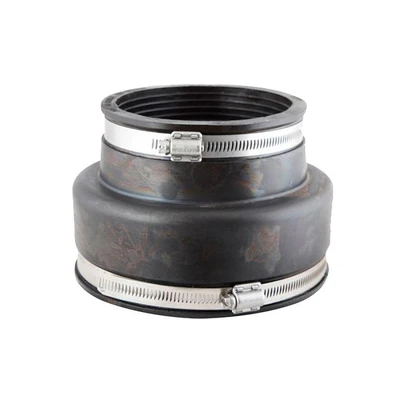
VFFAC1602
144-160mm / 110-122mm Flexible Adaptor Coupling
RRP £35.19
£ 29 . 91
Excl. VAT
RRP £42.23
£ 35 . 89
Inc. VAT
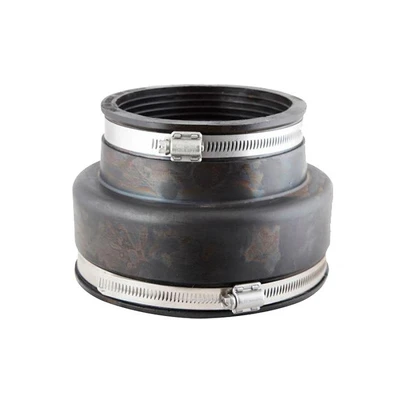
VFFAC1452
130-145mm / 110-125mm Flexible Adaptor Coupling
RRP £43.77
£ 37 . 20
Excl. VAT
RRP £52.52
£ 44 . 64
Inc. VAT
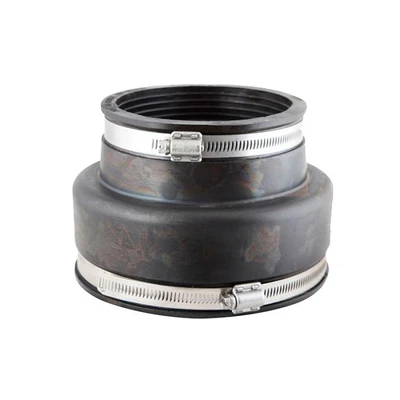
VFFAC1603
144-160mm / 121-136mm Flexible Adaptor Coupling
RRP £37.82
£ 32 . 15
Excl. VAT
RRP £45.38
£ 38 . 58
Inc. VAT
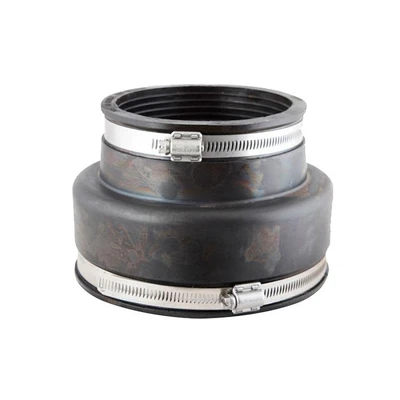
VFFAC1703
155-170mm / 130-145mm Flexible Adaptor Coupling
RRP £38.52
£ 32 . 74
Excl. VAT
RRP £46.22
£ 39 . 29
Inc. VAT
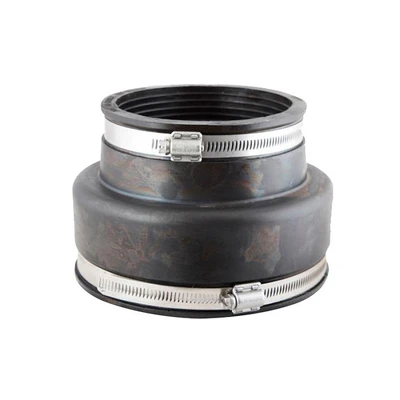
VFFAC2904
265-290mm / 144-160mm Flexible Adaptor Coupling
RRP £97.63
£ 82 . 99
Excl. VAT
RRP £117.16
£ 99 . 59
Inc. VAT
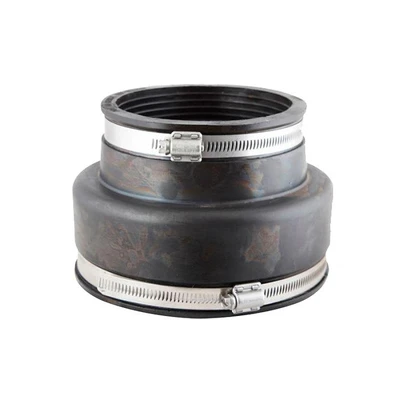
VFFAC3204
295-320mm / 144-160mm Flexible Adaptor Coupling
RRP £131.55
£ 111 . 82
Excl. VAT
RRP £157.86
£ 134 . 18
Inc. VAT
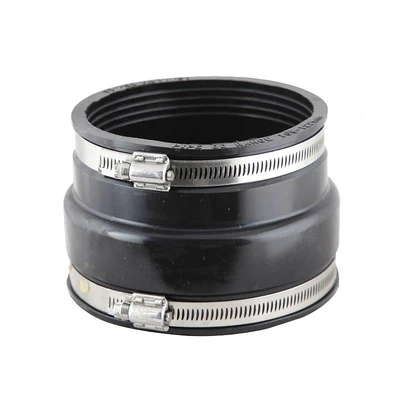
VFFAC2655
240-265mm / 170-192mm Flexible Adaptor Coupling
RRP £82.42
£ 70 . 06
Excl. VAT
RRP £98.90
£ 84 . 07
Inc. VAT
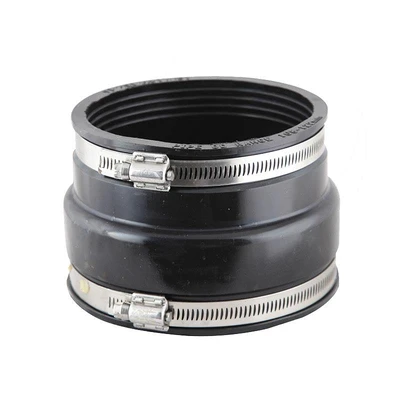
VFFAC2756
250-275mm / 200-225mm Flexible Adaptor Coupling
RRP £110.33
£ 93 . 78
Excl. VAT
RRP £132.40
£ 112 . 54
Inc. VAT
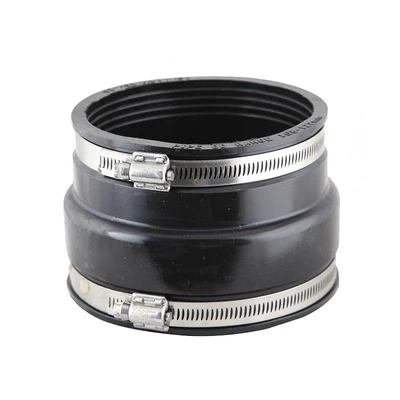
VFFAC2908
265-290mm / 235-260mm Flexible Adaptor Coupling
RRP £108.63
£ 92 . 34
Excl. VAT
RRP £130.36
£ 110 . 81
Inc. VAT
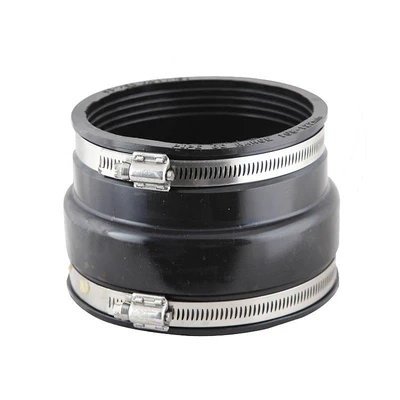
VFFAC3208
295-320mm / 240-265mm Flexible Adaptor Coupling
RRP £108.83
£ 92 . 51
Excl. VAT
RRP £130.60
£ 111 . 01
Inc. VAT
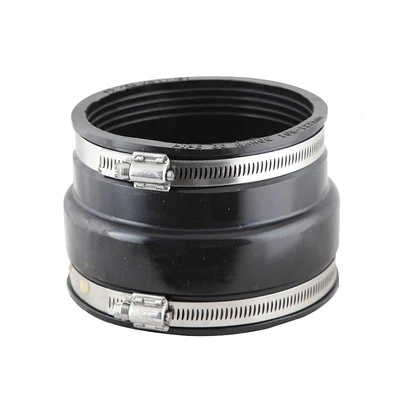
VFFAC3209
295-320mm / 265-290mm Flexible Adaptor Coupling
RRP £151.25
£ 128 . 56
Excl. VAT
RRP £181.50
£ 154 . 27
Inc. VAT
| Drainfast Product Catalogue Issue 40 | |
| Vision Drainage Specification Manual | Download PDF |
Underground Drainage Pipe Fittings For Repairs And Connections
Existing drainage doesn't always match new pipework neatly. Flexible drainage fittings are useful where standard rigid fittings cannot accommodate the pipe materials, outside diameters or type of connection required.
They can be useful when repairing damaged drainage, joining old and new pipework, adapting an existing layout or connecting pipes with slightly different outside diameters. Their flexibility also makes them well suited to refurbishment work where the existing drainage needs to remain in place.
For complete systems, Drainfast also stocks underground drainage pipework, chambers and standard fittings alongside its flexible range.
Standard 110mm and 160mm drainage systems use rigid bends, junctions, couplers and other fittings for most new pipe runs. Flexible connectors and adaptors are generally used where the connection itself needs greater versatility.
Common Types Of Underground Drainage Fittings
Underground drainage fittings cover a much wider range than the products on this particular page. The fitting you need depends on what the connection has to do.
Couplings And Connectors
Couplings join separate pipe sections together. Standard rigid couplers are used where compatible pipework forms part of the same drainage system, while flexible connectors are particularly useful for repairs and connections involving existing pipes.
With a flexible connector, the outside diameter of each pipe needs to fall within the fitting's specified range. This is more reliable than choosing solely by the nominal pipe size.
Drainfast stocks a dedicated range of flexible drainage connectors for these applications.
Adaptors And Reducers
Adaptors are used where the two pipes aren't a straightforward match. This may be because their outside diameters differ or because the connection involves two different pipe materials.
Drainfast's flexible adaptor range includes products for connections between compatible clay and plastic drainage pipework, as well as other diameter combinations. They can be used when replacing part of an older drainage run without changing the entire system.
Reducers are also available within Drainfast's standard drainage ranges where a planned system needs to transition between pipe sizes.
Bends
Bends change the direction of a drainage run. They are available at different angles so the pipework can follow the drainage layout without relying on improvised connections.
Standard bends are available within Drainfast's 110mm and 160mm underground drainage ranges rather than this flexible fittings category.
Junctions
Junctions bring separate drainage runs together, including branch connections into a main pipe.
The required fitting will depend on the pipe diameter, angle and layout shown on the drainage design. Drainfast stocks compatible junctions as part of its standard underground drainage pipe systems.
Access And Inspection Fittings
Access fittings and inspection chambers provide points for inspecting, rodding and cleaning underground drainage.
Their position should form part of the drainage layout rather than being treated as an afterthought once the pipework is already in the ground.
How To Choose The Right Underground Drainage Fitting
With flexible drainage fittings, the nominal pipe size alone doesn't always tell you enough. Check the actual pipes and the fitting specification before ordering.
1. Check The Pipe Diameter
Measure the outside diameter of each pipe at the proposed connection.
Flexible fittings are commonly specified by an outside-diameter range rather than simply being labelled as a 110mm or 160mm fitting. If the measured pipe falls outside that range, the fitting isn't the right match.
For more information on how drainage dimensions are specified, read our Underground Drain Pipe Sizes guide.
2. Identify The Pipe Material
Next, establish what each pipe is made from.
Plastic and clay drainage pipes can have different outside diameters even where they perform a similar role within the system. Suitable flexible adaptors can bridge some of these differences, but the individual fitting still needs to be compatible with both pipes.
Check the product specification rather than assuming that any flexible fitting will connect any two materials.
3. Choose The Correct Connection Type
A coupling and an adaptor don't do quite the same job.
A coupling is generally used to join compatible pipe sections with the same or similar outside diameters.
An adaptor is used where there is a greater difference between the pipes, such as different diameters or materials.
A puddle flange has a separate role. It is used where pipework passes through concrete rather than to join two pipe ends together.
4. Check The Product Specification
Before ordering, check:
- The stated diameter range
- Compatible pipe materials
- Intended application
- Installation requirements
- Any relevant manufacturer or project specifications
Not sure which fitting will work with the pipework on site? Get in touch with the Drainfast drainage team for practical product advice.
Quick Installation Tips For Flexible Drainage Fittings
Flexible fittings are relatively straightforward to work with, but the connection still needs to be prepared and assembled correctly.
Check Both Pipe Diameters
Measure the outside diameter of both pipes and compare those measurements with the fitting's stated range before installation.
Clean The Pipe Ends
Remove soil, grit and other debris from the areas being joined. A dirty pipe surface can interfere with the fit and seal.
Position The Fitting Correctly
Set both pipe ends in the correct position and make sure they are properly inserted into the fitting according to the product instructions.
Tighten Connections Evenly
Where the fitting uses clamping bands, tighten them in accordance with the manufacturer's instructions. Don't judge the required tightness by feel alone.
Test Before Backfilling
Check the connection and carry out any testing required by the project while the fitting remains visible and accessible.
For more detailed jointing guidance, read our How to Connect Underground Drainage Pipes guide.
Why Buy Underground Drainage Fittings From Drainfast?
- Flexible fitting range: Connect compatible pipes of different sizes and materials with products suited to repairs, alterations and new connections.
- Expert drainage advice: Speak to an experienced team if you're dealing with unusual connections or existing pipework.
- Next-day delivery: Next-day delivery is available on eligible orders placed before 5pm.
- Over 20 years' experience: Drainfast has supplied drainage products to the construction and groundworks industry since 2003.
Need underground drainage fittings for an upcoming job? Shop the range online or get in touch with Drainfast for product support.
Underground Drainage Fittings FAQs
What Types Of Underground Drainage Fittings Are Available?
Underground drainage systems can use bends, couplers, junctions, adaptors, reducers and access fittings, depending on the layout.
This particular Drainfast category is focused on flexible connectors, flexible adaptors and puddle flanges. Standard bends, junctions and other rigid underground drainage fittings are available through the wider 110mm and 160mm pipe ranges.
What Materials Are Underground Drainage Fittings Made From?
Materials vary according to the type and purpose of the fitting.
Standard underground drainage systems commonly use plastic pipework and fittings, while flexible connectors and adaptors may use flexible rubber compounds with metal clamping components to secure the connection.
Check the individual product specification if a particular material is required for the project.
What Sizes Do Underground Drainage Fittings Come In?
110mm and 160mm are common sizes for standard underground drainage systems, but flexible fittings are often specified differently.
A flexible connector or adaptor may cover a particular outside-diameter range, so the pipe should be measured before the fitting is selected. Our Underground Drain Pipe Sizes guide explains the different measurements in more detail.
What's The Difference Between A Drainage Coupling And An Adaptor?
Use a coupling to join compatible pipes with the same or similar outside diameters. Choose an adaptor when the connection needs to bridge different diameters, materials or both. Always check the stated size range and material compatibility for the individual product.
Can I Connect Clay Drainage Pipe To Plastic Pipe?
Yes, where a suitable flexible adaptor is available for the two pipes being joined.
The outside diameters of both the clay and plastic pipes need to be checked before selecting the adaptor. Don't rely on nominal pipe size alone, as different materials can have different external dimensions.
How Do I Know Which Drainage Fitting I Need?
Check four things before ordering:
- The outside diameter of both pipes
- The material of each pipe
- The type of connection required
- The individual fitting specification
If you're dealing with an unusual connection or aren't certain which fitting matches the existing pipework, speak to the Drainfast team before ordering.
Are Underground Drainage Fittings Suitable For Repairs?
Yes. Compatible flexible couplings and adaptors are particularly useful when repairing existing underground drainage or connecting replacement pipework into an older system.
The fitting still needs to suit the pipe materials and outside diameters on both sides of the repair.
What Standards Apply To Underground Drainage Fittings?
There isn't one standard that can automatically be applied to every underground drainage fitting.
Requirements vary according to the type of product, material and application. Check the technical information supplied for the individual fitting alongside any standards or specifications required for the project.
Help & Advice


Related articles

How To Lay A Drainpipe: A Step-By-Step Guide
22 September, 2026
Learn how to lay drainage pipe, including trench prep, bedding, fall, connections and backfilling.

Underground Drainage Regulations UK
18 August, 2026
Explore UK underground drainage regulations, including pipe sizes, installation, chambers and legal compliance.

110mm vs 160mm Underground Drainage Pipes
9 July, 2026 (Updated 21 July, 2026)
In this guide, we'll compare 110 vs 160 underground drainage pipework, explain where each size is typically used and highlight the factors you should consider before selecting a pipe for your project.

How to Connect Underground Drainage Pipes
8 July, 2026 (Updated 29 July, 2026)
Correctly installing an underground drainage system is essential for ensuring reliable wastewater flow while preventing leaks and blockages and reducing future maintenance costs.

Guide to Underground Drainage Fittings
21 January, 2026 (Updated 21 July, 2026)
In this blog post, we’ll explore exactly what underground drainage fittings are and how to choose the right one for your next project.
Guide to 110mm Underground Drainage Systems
21 January, 2026 (Updated 21 July, 2026)
Around 70% of the Earth’s surface is covered by water, and every day it moves through our homes and buildings through rainfall, snowmelt and wastewater. Once water leaves a roof, driveway or toilet, it requires a reliable route away from the property.
Underground Drain Pipe Sizes
20 August, 2025 (Updated 21 July, 2026)
It’s not always obvious which pipe is the correct one for your application. Our article explains all you need to know about underground drainage pipe sizes.

Manhole and Inspection Chamber Cover Loading Standards Explained: BS EN 124 vs. FACTA
11 August, 2025 (Updated 13 October, 2025)
Understand the key differences between BS EN 124 and FACTA - the two standards governing load ratings for manhole and inspection chamber covers.

Types of Underground Drainage Pipes
6 August, 2025 (Updated 21 July, 2026)
In this helpful guide, we cover the types of underground drainage pipes and their applications for different projects.

New Colour-Coded MuckStopper Covers for Foul & Storm Drainage
24 July, 2025 (Updated 13 October, 2025)
Protecting underground drainage systems during construction can be a real headache. Permanent covers often go in early, only for the mess of heavy plant, concrete splashes, and changing weather conditions start to take their toll.

BS EN 124 Classification Explained
21 July, 2025 (Updated 13 October, 2025)
Understand the standards that govern the maximum weight loadings for manhole covers and gully gratings, and why these classifications matter.

Understanding Soil and Waste Pipe Systems: A Homeowner’s Guide
2 June, 2025 (Updated 23 June, 2025)
How soil and waste pipe systems differ and why proper installation matters.: a helpful guide if you are planning plumbing work or tackling drainage issues.
Delivery options
Enter your postcode for delivery timescales, accurate stock levels, and your nearest depot